Your circuit breaker panel is the heart of your home’s electrical safety system. These essential devices are designed to protect your wiring and appliances from dangerous power surges and overloads. However, like any component, circuit breakers can wear out and fail over time. Knowing how to tell if a circuit breaker is bad is crucial for preventing serious hazards, including electrical fires.
If you notice any unusual electrical behavior, it is time to investigate your breaker panel. Addressing these warning signs quickly is vital for maintaining a safe and reliable electrical system. Prompt action can save you from costly damage and potential danger.

Key Warning Signs: How to Tell if a Circuit Breaker is Bad
Several clear indicators suggest that you may have a faulty circuit breaker that needs attention. Pay close attention to both the performance of your electrical devices and any physical changes at the panel. Identifying these signs is the first step in protecting your property.
Frequent Tripping
A circuit breaker is designed to trip to protect a circuit from an overload or short circuit. If a breaker trips repeatedly, even after a simple reset, it signals a chronic issue. While this could be an overload, it might also mean the breaker itself is worn out and failing. If you remove appliances and it still trips, the breaker may be bad.
The Breaker Won’t Reset
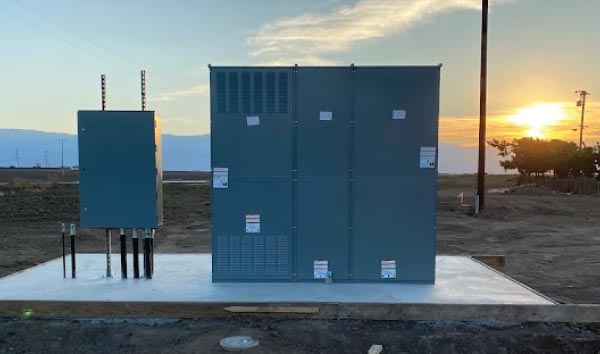
If you try to reset a tripped breaker and it won’t stay in the “on” position, this is a clear sign of a problem. This issue could indicate a short circuit, an overload, or a mechanically faulty breaker. The switch should click firmly into place; if it doesn’t, the internal components may be damaged. A circuit that will not reset should be immediately inspected by a licensed electrician. Expert help is available for complex issues, which is why we recommend contacting a professional for specialized Electrical Troubleshooting.
Visible Damage and Heat
Physical signs of damage around your circuit breaker are serious red flags. Look for scorch marks, melted wires, or discoloration on the breaker or panel box. A breaker that feels unusually hot to the touch is overheating, which is a significant fire risk. If you see or feel any of these, shut off the main power immediately and call for professional service.
Strange Smells or Sounds
Any unusual odor, especially a burning smell, coming from your panel is a severe indicator of trouble. This odor suggests that wires or insulation are overheating, meaning the breaker is failing to protect the circuit.
Additionally, abnormal sounds like crackling or buzzing often point to loose connections or an internal electrical fault. Both burning smells and strange sounds require immediate professional attention.
Electrical Performance Issues
A bad circuit breaker can also manifest in problems with your home’s power delivery. These performance issues can be annoying, but are also critical warnings about your system’s integrity.
Flickering or Dimming Lights
Lights that flicker or dim on their own can be a symptom of a failing circuit breaker. A faulty breaker may struggle to maintain a steady, consistent flow of electricity to the circuit. If the issue is persistent and affects multiple lights on the same circuit, the breaker is likely the culprit.
Poor Appliance Performance
When appliances connected to a specific circuit perform poorly, the breaker may be at fault. For example, a dryer that shuts off mid-cycle or an oven that bakes unevenly could be suffering from inconsistent power. Test the appliance on a different circuit; if it works better there, the original circuit’s breaker may be bad.
Safety and Service for Bad Circuit Breakers
It is extremely important to recognize how to tell if a circuit breaker is bad because a malfunctioning breaker poses a risk of electrical fire.
Do not attempt complex electrical repairs on your own if you are not a professional. Electrical work can be dangerous and is best left to licensed experts who can accurately diagnose the root cause.
If you suspect your breaker is failing or is overactive, call an expert. An electrician can inspect your panel and perform voltage or resistance tests to confirm if the breaker is faulty.
Once a bad breaker is confirmed, it needs to be replaced immediately to restore safety and proper function. For fast, reliable replacement, trust the experts in Circuit Breaker Repair.
Regular inspection, at least every ten years, can help prolong the lifespan of your electrical panel. This is much like the preventative maintenance you do for your air conditioning system.
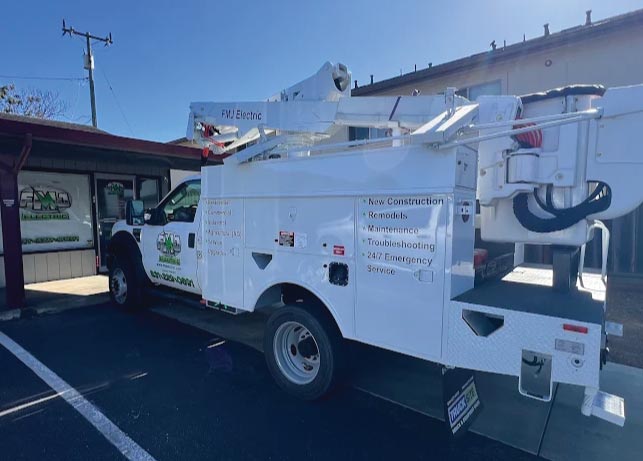
Your Trusted Electrical Partner
FMJ Electric is a full-service electrical company committed to providing high-quality, safe, and efficient solutions for all your residential and commercial electrical needs.
Their team of licensed electricians specializes in installations, repairs, maintenance, and upgrades, including the replacement of faulty circuit breakers. With a commitment to safety and reliability, FMJ Electric ensures your electrical system is in safe and capable hands, blending quality, precision, and utmost safety in every project.
If you need a circuit breaker replacement or a full panel upgrade, FMJ Electric is your trusted partner. Like performing an ac recharge to restore optimal cooling, replacing a bad breaker restores essential safety.
Frequently Asked Questions (FAQs)
What are the most common reasons a circuit breaker trips?
The most common reasons for a tripped circuit breaker are a circuit overload (too many devices drawing power at once), a short circuit, or a ground fault. If the tripping is frequent and happens without an apparent overload, the breaker itself may be faulty.
Can a circuit breaker go bad without constantly tripping?
Yes, a circuit breaker can go bad without constantly tripping. A mechanical failure inside the breaker could prevent it from tripping when it should, creating a dangerous fire hazard by failing to interrupt excessive current. Look for other signs like a burning smell or physical damage.
How can I test a circuit breaker to see if it’s good?
To confirm how to tell if a circuit breaker is bad, a professional electrician can perform tests using a digital multimeter. They can measure the voltage to ensure it matches the breaker’s rating or perform a resistance test when the power is off. Never attempt these tests without professional experience.
How long do circuit breakers typically last?
Most common residential circuit breakers are designed to last between 30 and 40 years. However, factors like frequent power surges, overburdening, or heavy use can shorten their lifespan, causing them to fail sooner. Regular inspections are recommended at least every ten years.
When should I call an electrician for a bad circuit breaker?
You should call an electrician immediately if you observe any serious warning signs. For emergency situations like a burning smell or physical damage, always rely on a dependable 24-hour Electrician to ensure rapid response and safety. These are critical safety concerns.